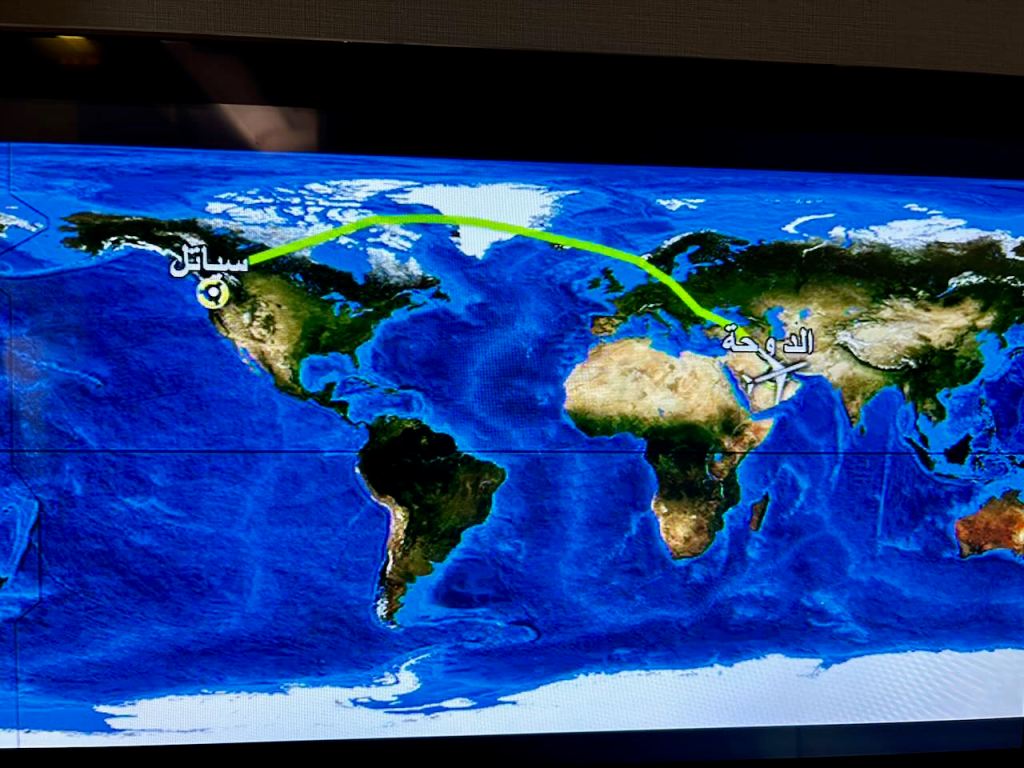
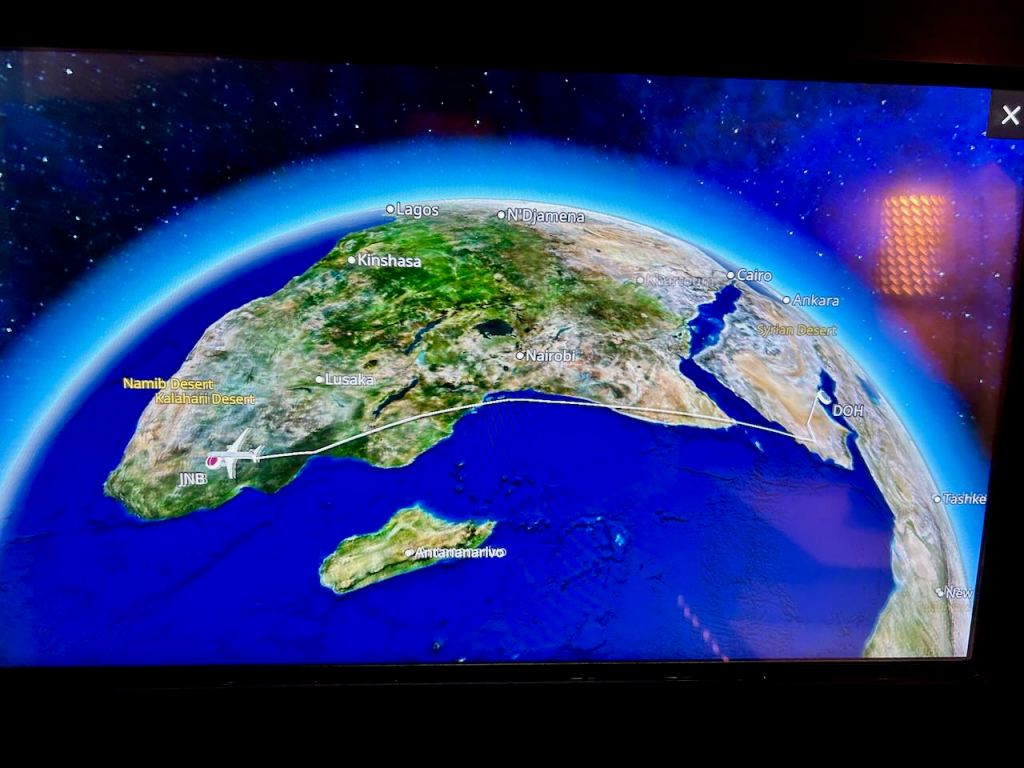
After 32 hours of air travel (14.5 hours from SEA to DOH, 9.5 hour layover, 8 hours to Johannesburg), we arrive at 10:30 am at the OR Tambo Intercontinental hotel in Johannesburg South Africa with our best friends Tom and Angela. This is the entry cost for our 2-week Botswana safari! Its too early for check-in, so we store our bag and grab ?breakfast? at the hotel restaurant, Quills. A couple of hours later we get keys to our rooms which let us drop our bags and turn around to go out for the afternoon. Johannesburg isn’t known as a heavily touristed city but we have never seen much outside the airport and need to fight the jet lag, so we head out on our planned tour of the Soweto Township.
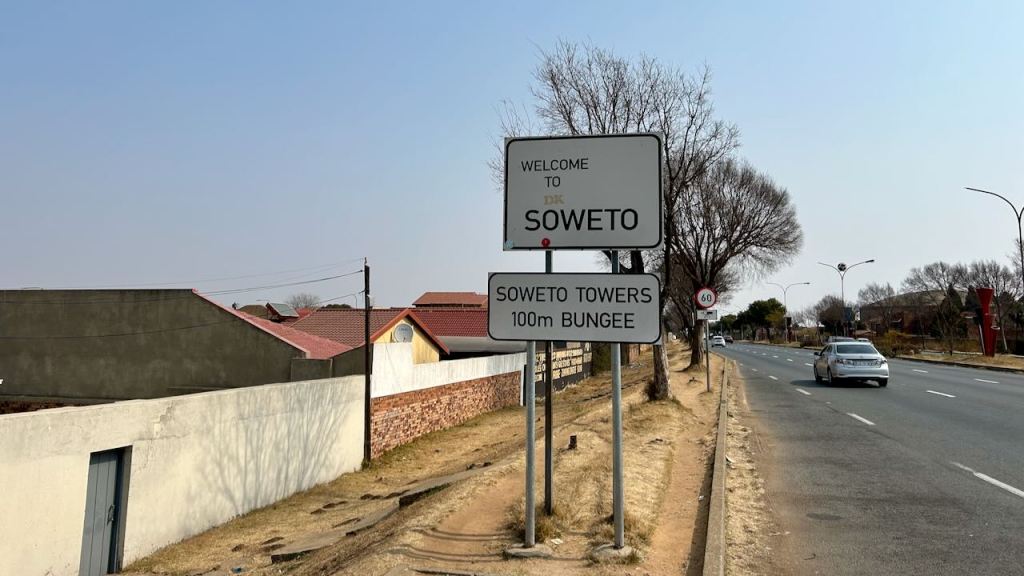
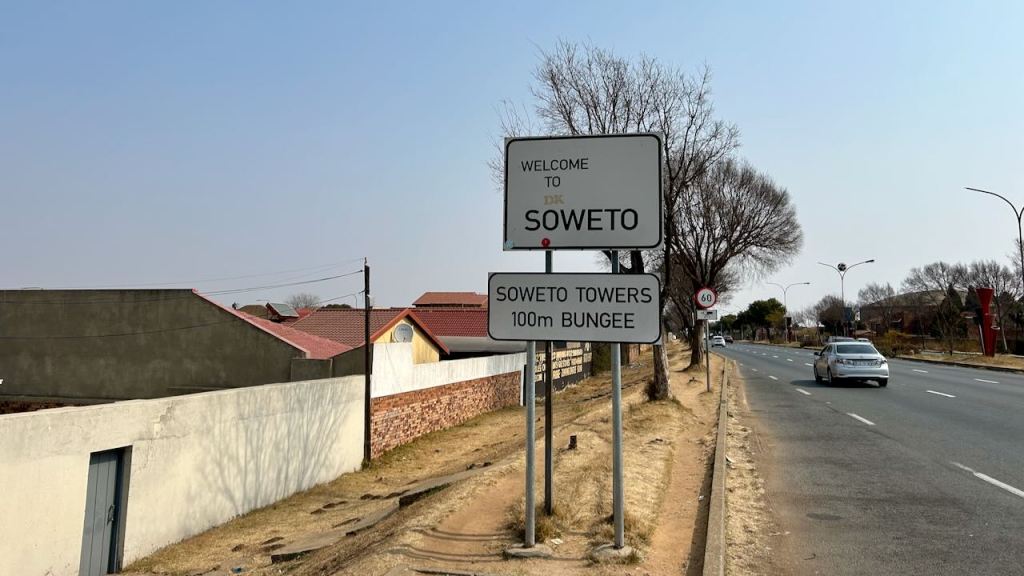
First stop is the entry sign for the Soweto (SOuth WEstern TOwnship) region of Johannesburg. Our guide gives a brief overview of the area roughly summarized as: gold was discovered, lots of folks started coming in to exploit it, non-white races mixed pretty freely until the apartheid government forced everyone to segregate, and social and fiscal inequity was fully formalized into the social fabric of South Africa. Today, there are sections of Soweto that are very nice and high-class, while there are other sections that are, as our guide said, utterly without hope in their corrugated steel shacks.
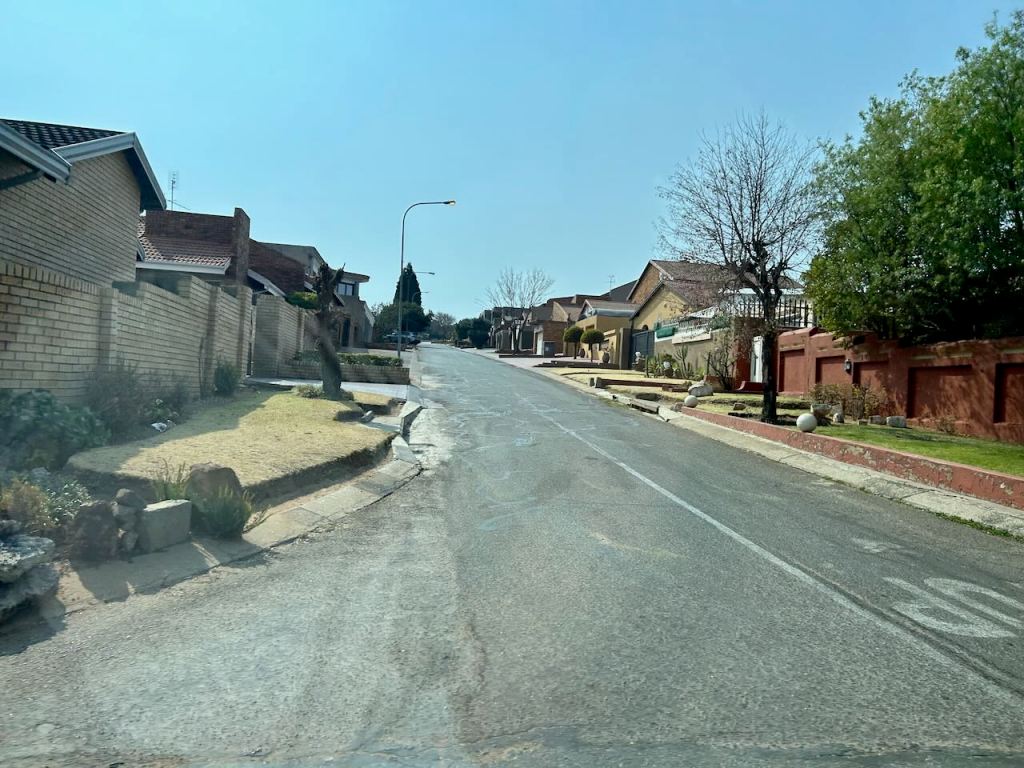
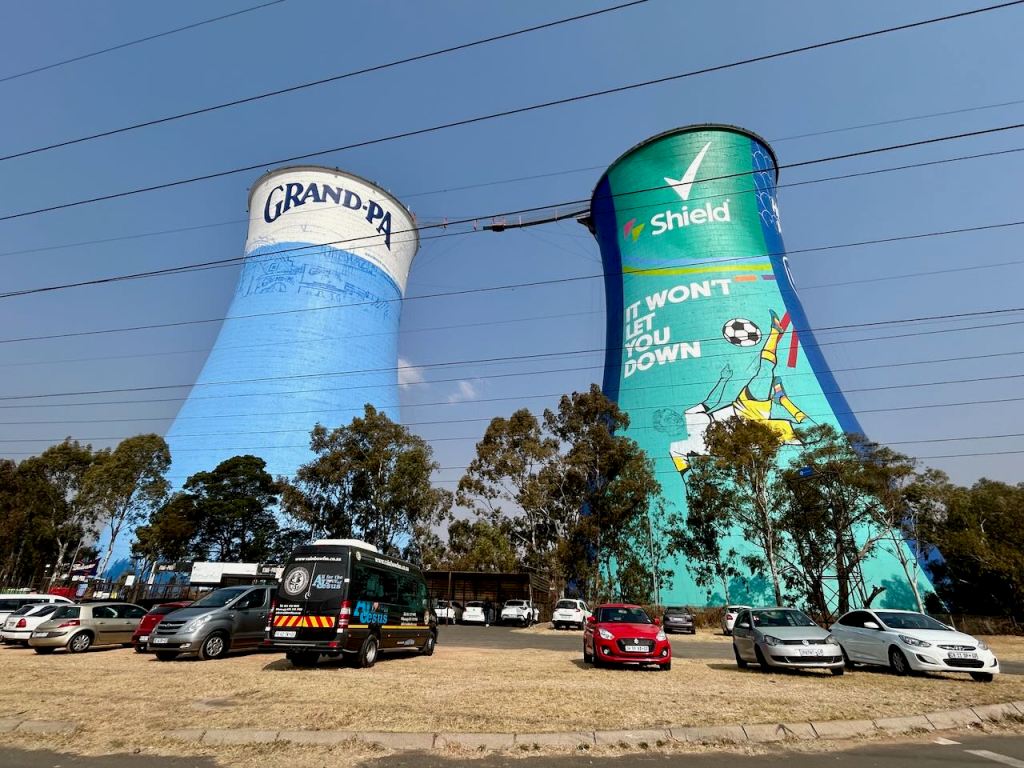
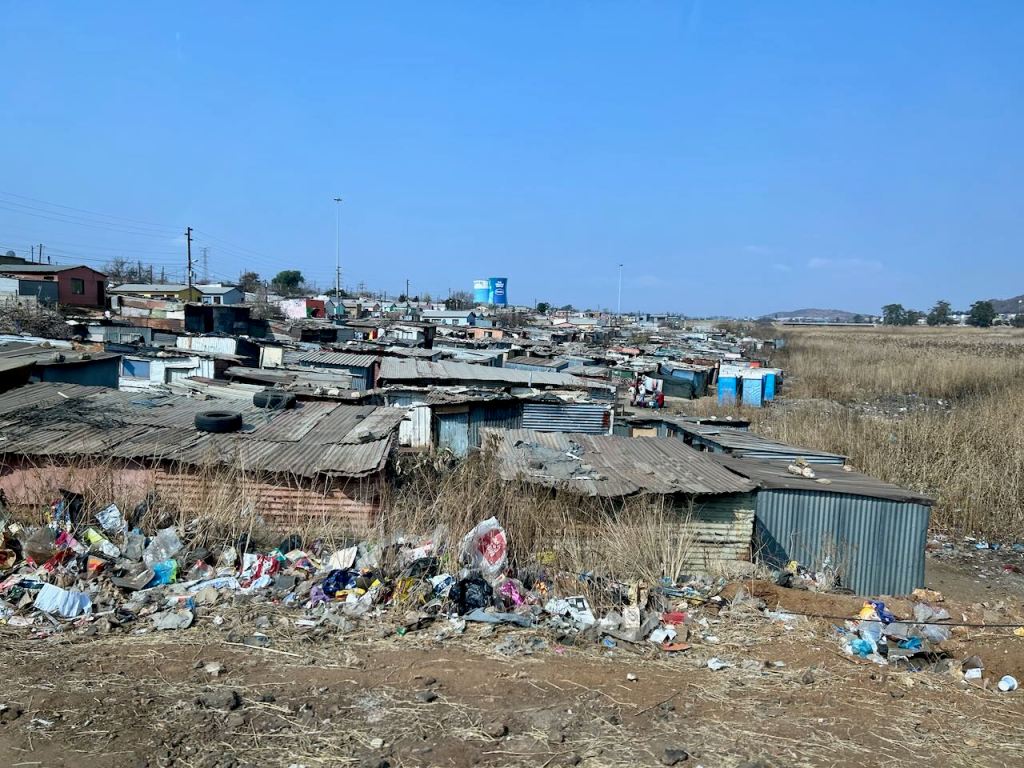
Driving through the nice part of Soweto felt kind of weird, because it was basically just a normal neighborhood. Going into the lower class sections felt sad and borderline exploitative. I guess at least guides are raising awareness of the situation and the lingering effects of the apartheid system. We didn’t stop and walk around through the shacks like some folks and only took a few broad system photos.
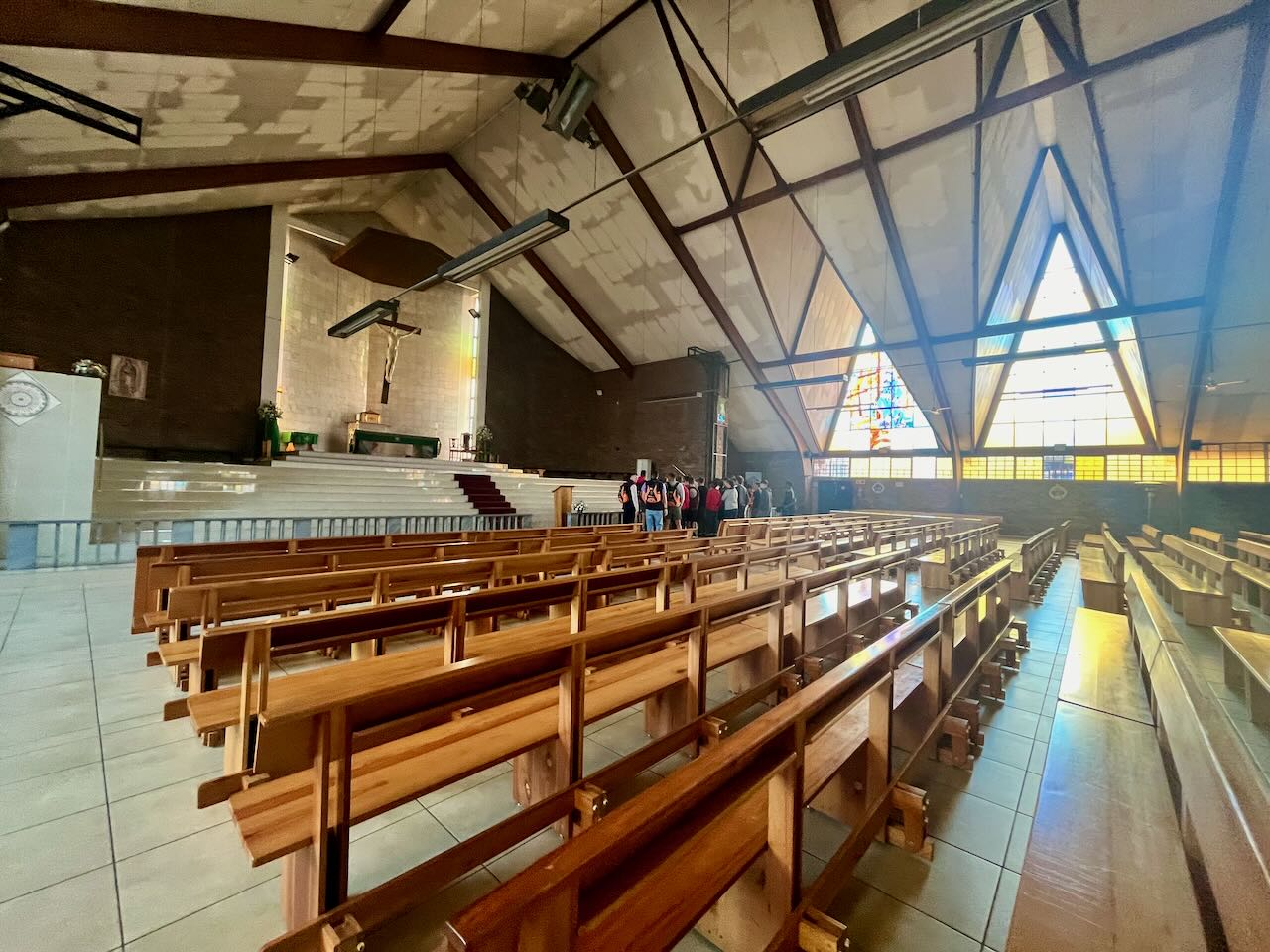
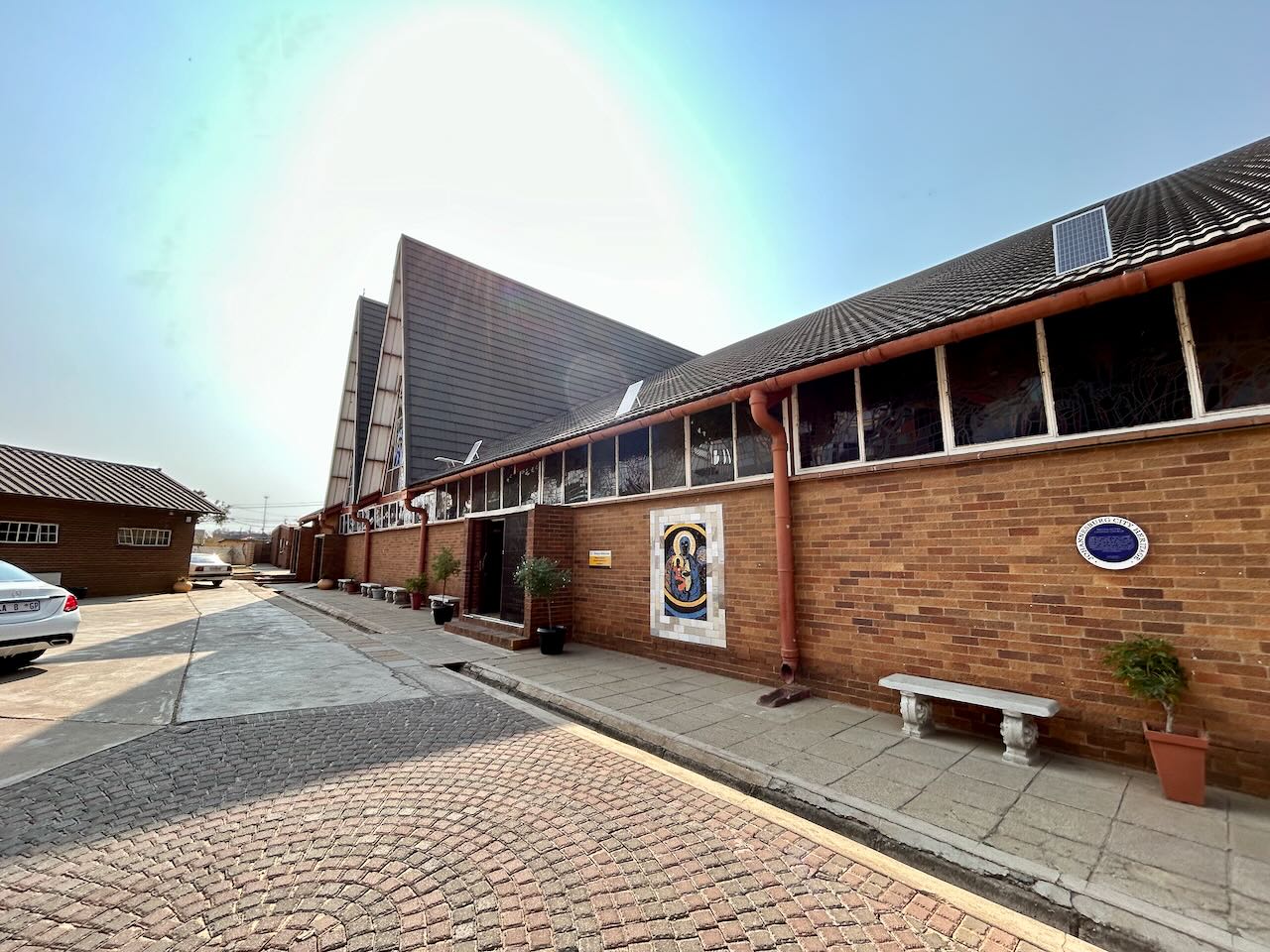
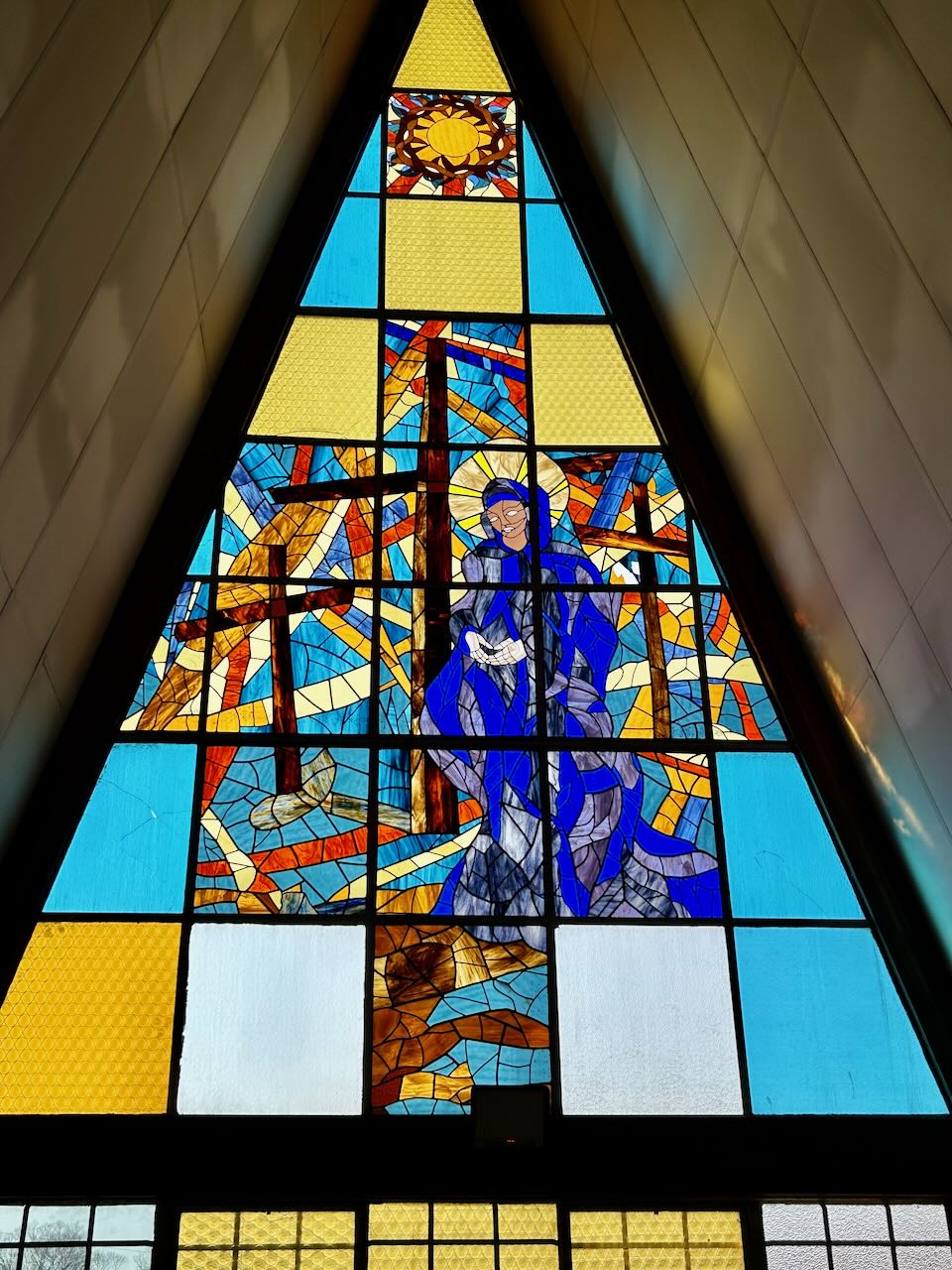
Our next stop was the Regina Mundi Catholic church located at the geographic center of Soweto. It is famous for being the center of anti-segregation politics in the 70s. The culmination of this heritage was a 1976 incident where 4000 South African students had gathered to peacefully discuss their rights and been attacked by South African police who fired guns into and within the church (with physical evidence to this effect) causing mass hysteria and concern. Miraculously, only 9 people were actually killed in the event, although many were wounded. However, shortly after, there was a large massacre claiming the lives of hundreds or thousands of black children and students at the hands of the police. The crux of the protest was that the white government wanted to put a stop to “English dominance” and influence in the region, so they voted to require all schooling to be done in Africaans, a local dialect of Dutch and German that effectively only white people knew how to spoke. This immediately put the already disadvantaged black population into an untenable situation where active students could no longer succeed with their education. Thousands of students gathered in Soweto to peacefully protest for the restoration of English as the default language in schools. Accounts indicate that the situation escalated quickly with a few rocks thrown at the police immediately resulting in machine guns being fired into the crowd. This event and sustained attacks against the students and local population resulted in thousands of deaths. These events are highlighted as some of the instigating moments for the anti-apartheid movement, although it took almost 20 more years before apartheid would actually end. It is interesting, and somewhat horrifying, that there really isn’t much information about what happened between these watershed moments in the mid 1970s and 1996 when Nelson Mandela was released from prison after serving 27 years of a life sentence on a penial island off the coast of Cape Town (Robben Island).
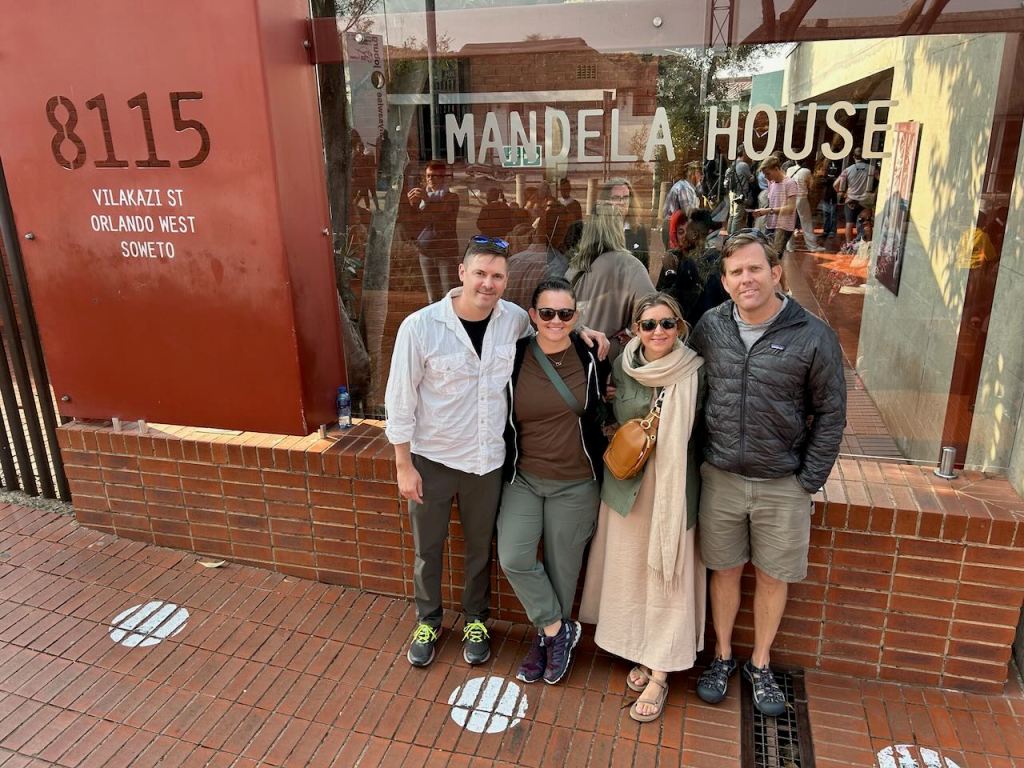
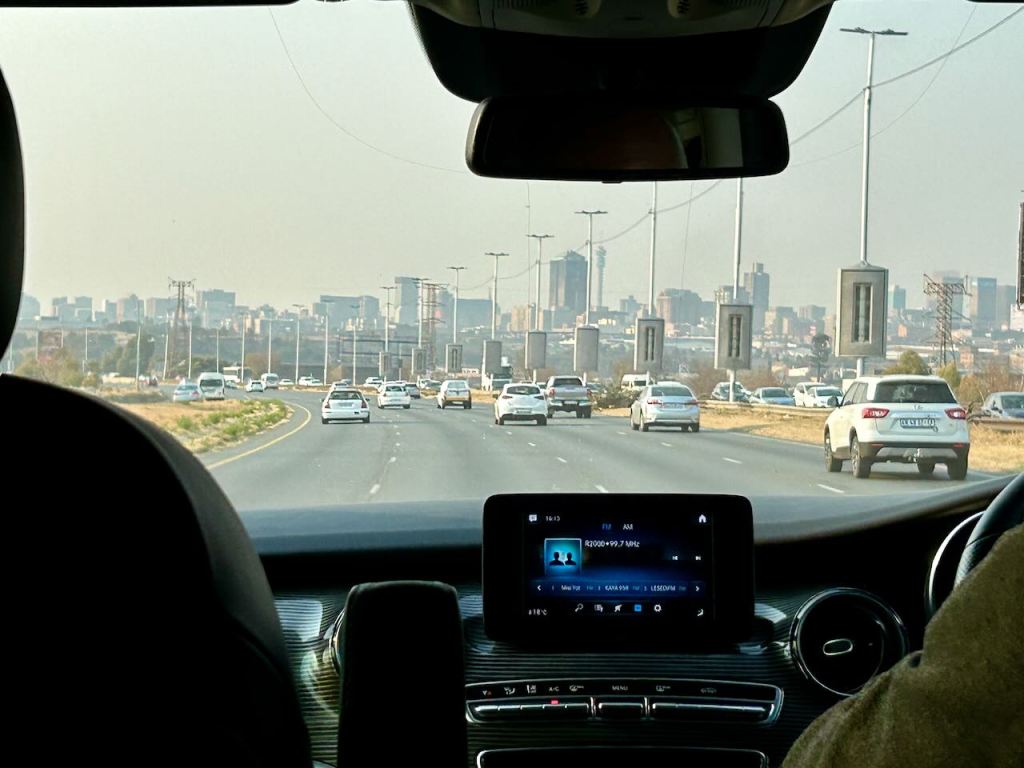
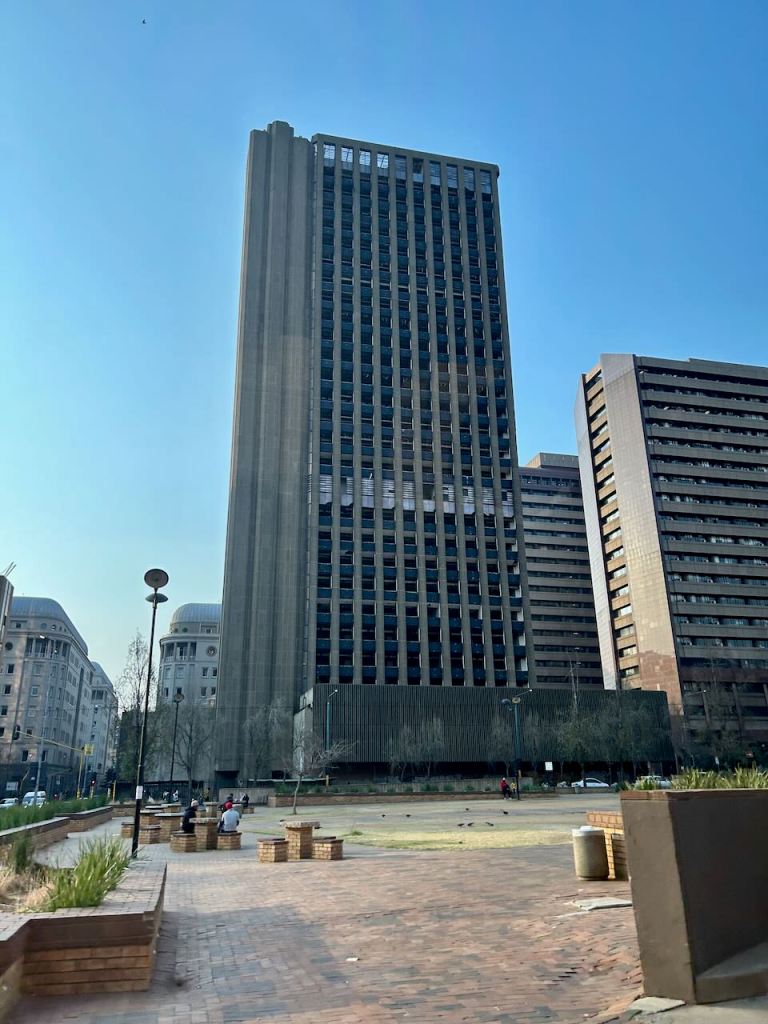
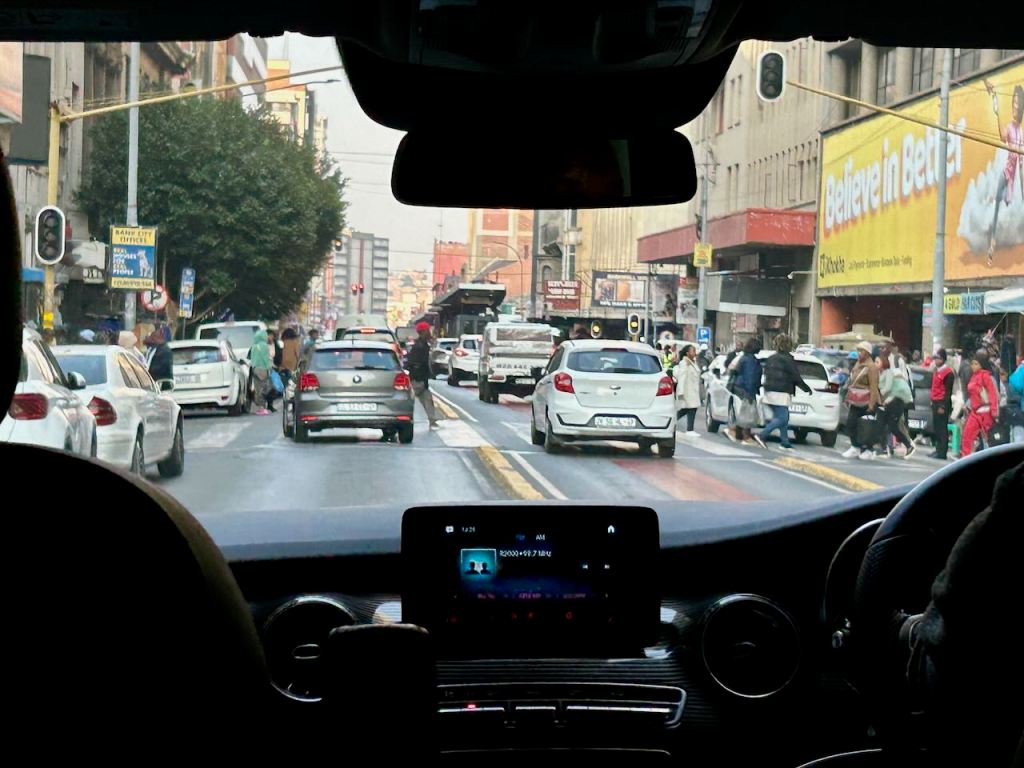
After walking through Nelson Mandela’s house and a museum dedicated to the June 16th student massacre, we feel like we’ve had a pretty good overview of local history and politics, and are ready to go back to the hotel and sleep. On the way back, our driver takes us through the “old” downtown area of Jo-burg explicitly to show us how horrible it is. It looks like a normal city skyline from afar, but he explains that after the fall of the apartheid government, most of the companies that used to have offices here moved out, fearing that the new Black government wouldn’t be good for business. As a result, in many of the high-rise buildings are abandoned, either with security with hopes they can be repopulated in the future or left to fall into disrepair and be taken over by gangs. There are a plethora of people wandering around, apparently mostly illegal immigrants. Trash in the streets because the government won’t clean it up because the illegal immigrants don’t pay taxes. The government still operates from the downtown area, so you can see some buildings that are completely fenced off, apparently workers come into the downtown, work and eat in this enclosed areas, then drive back out of the city ignoring the fact that the city has fallen into disrepair around them.

Back at the hotel, we are hoping to grab a shower and then get some food, but Angela checks with the restaurant and they can either seat us now, 5 pm, or 8:30 pm. We definitely won’t be awake at 8:30 so we grab an early dinner (technically still the lunch menu 😂). To bed.

 Sail the Leviathan
Leave a comment